

I love to read and I love to study. Give me a topic that interests me and I’ll spend weeks, months, following the breadcrumbs from one article or book to the next, hungry to find out as much as I can. Then along comes a new obsession, and I abandon the previous pursuit to dive headfirst into the next fascinating topic. The result? I know a little bit about almost everything, and a whole lot about… well, not very much at all.
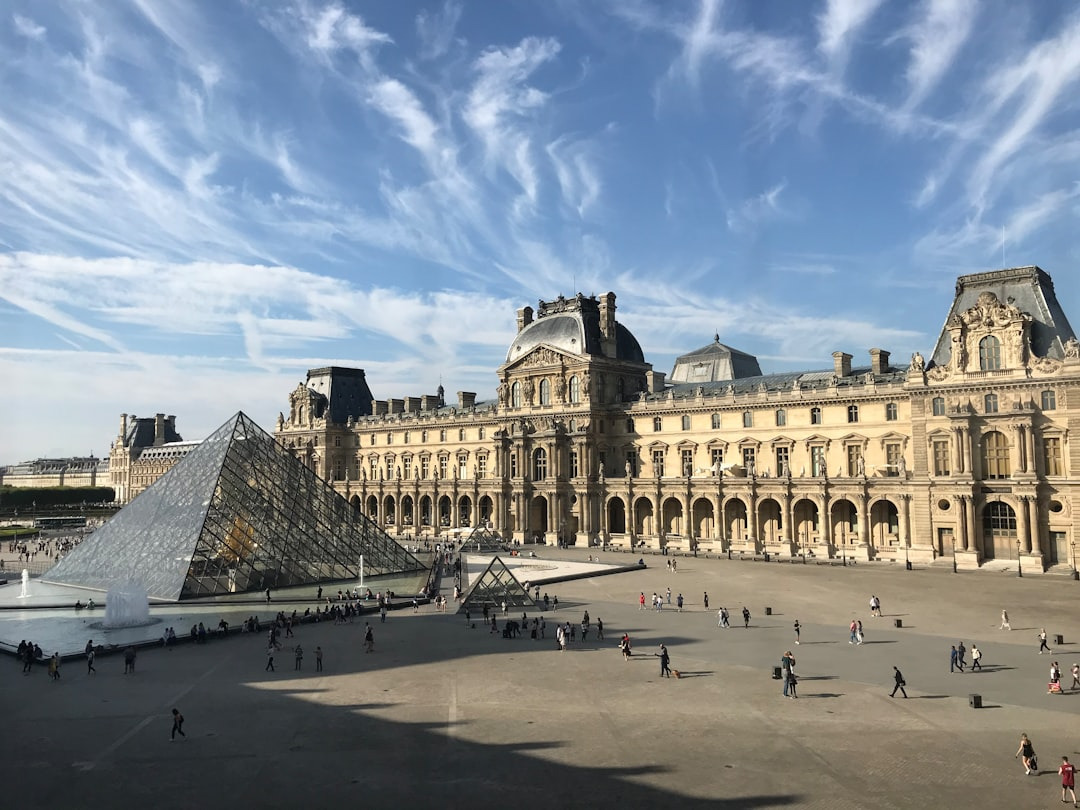
I’ve always been interested in education and learning, but it wasn’t until my kids were born that I really started reading about different pedagogies and educational philosophies. Eventually, that curiosity led me to a degree in Early Years Education. I loved the breadth of the subject — everything from care and attachment theory to special education, sustainable development in the classroom, maths, science, literature, and what preschool teaching means as a profession. For me, this was like visiting the Louvre in Paris, which I did in 2024. It’s a vast space, with an almost overwhelming number of works to behold. We moved through one wing after another, getting a feel for the place, but never spending enough time in any single area to form a deeper impression of what was on display.
Just as that visit gave me an overall impression of the building and its art, my undergraduate degree gave me a general map of the field of Early Childhood Education. And just like at the Louvre, I never had the chance to stay in one place long enough to finish exploring before I had to move on.
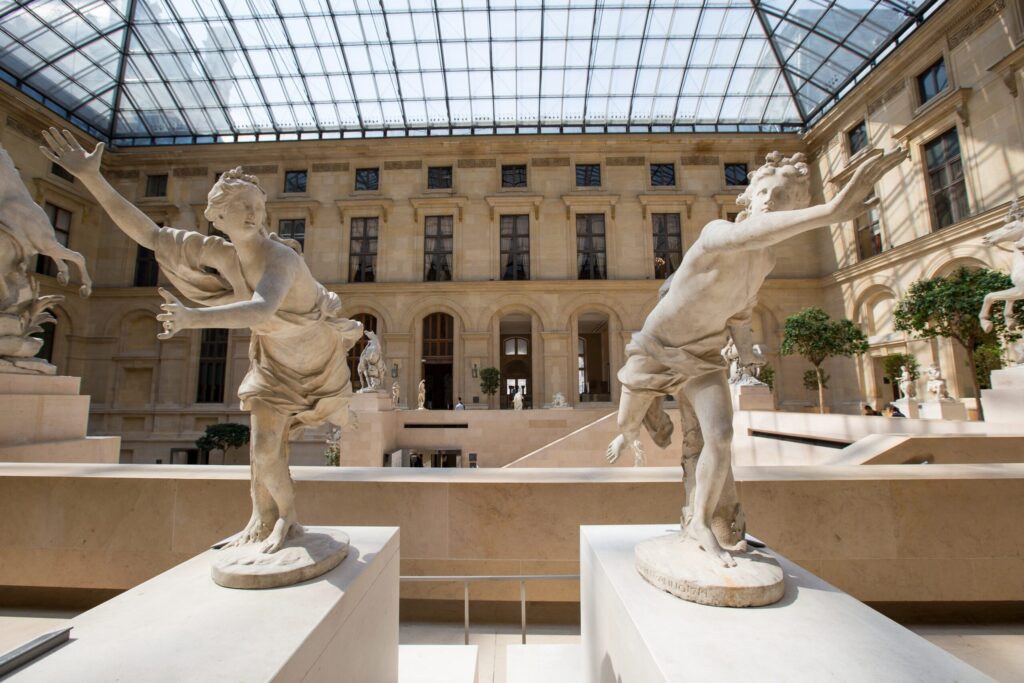
One area I found particularly interesting during my undergraduate studies was gender studies, which we touched on through the lens of gender equality and norm-critical pedagogy. Wanting to know more, I went on to a master’s degree in Social Studies of Gender. Returning to the Louvre analogy, this was like finding a wing of the gallery that especially drew me in and deciding to spend real time there. Perhaps, like the Richelieu Wing with its glass ceilings and sculpture courtyards, it was a space I wanted to properly inhabit rather than just pass through. That’s what gender studies became for me: a chance to explore a range of issues — not just in preschools, but in the work of cleaners in Sweden, and in gender’s presence in politics and media — though the bulk of my work, including my thesis, stayed focused on children and Early Years Education.
With the master’s, I’d narrowed my attention to a smaller, though still vast, area of study, just as the Richelieu Wing is smaller than the Louvre as a whole, yet still holds an enormous number of works.
And this is where the PhD comes in. Having moved from an overview of Early Years Education, to a narrower focus on gender and its intersections within that field, I now want to bring the lens in further still — to a single issue. It’s like choosing one sculpture in the Richelieu Wing to give my full attention to: L’Aurore descendant de son char (Aurora Alighting from Her Chariot), by Philippe Magnier. For years, I’ve hopped from one area of study to the next, pulled along by degree requirements and my own restless curiosity. Now, finally, I have the chance to really get to know one thing.
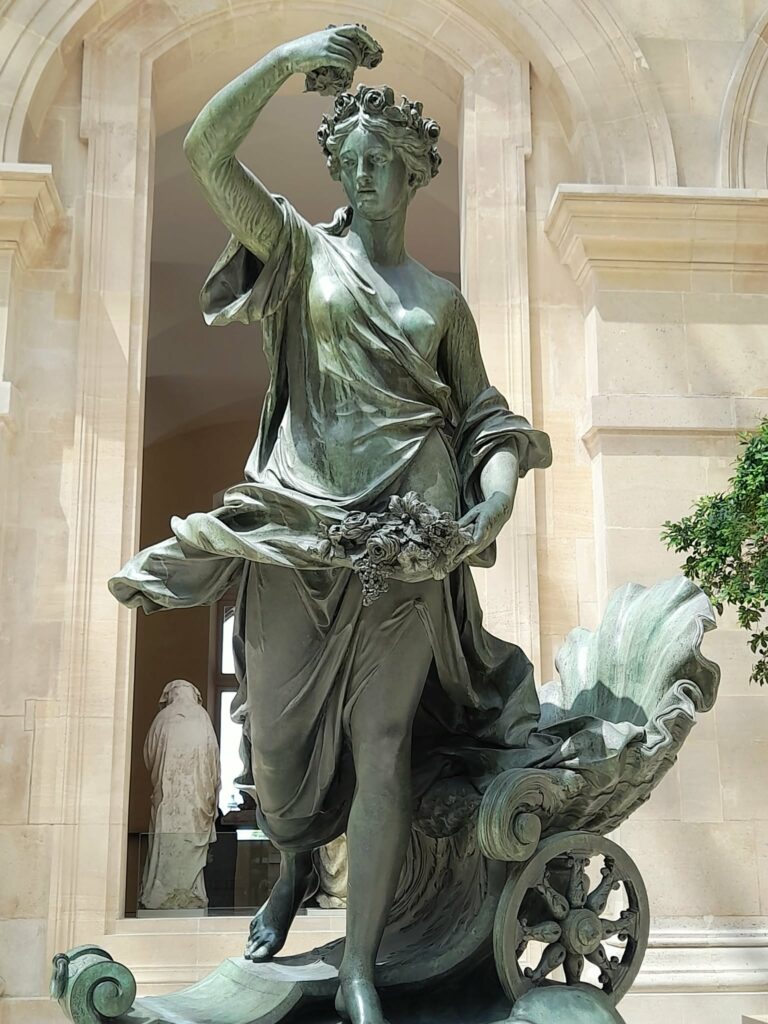
That’s the real case for a PhD, at least for someone like me. Not because depth is better than breadth, but because I’ve already had the breadth. I’ve wandered the wings, sampled the collections, and built the wide, patchy map that comes from following curiosity wherever it leads. What a PhD offers is the opposite pleasure: the chance to stand in front of one sculpture for four or five years, to walk around it, study it from every angle, in every light, until I understand not just what it is, but why it was made, what it’s made of, and what it can tell us that a glance from across the room never could. I’m not giving up on being someone who knows a little about a lot — I’ll always be that person — but for the first time, I get to also become someone who knows a great deal about one small, extraordinary corner of a much larger world.
Leave a Reply